By the Artificial Turf Los Angeles team · Updated
What Is Artificial Grass?
Artificial grass (also called synthetic turf or artificial turf) is a surface of plastic fibers, usually polyethylene, tufted into a backing to look like a lawn. It's installed over a compacted crushed-rock base, and an infill such as sand or a specialty granule is brushed between the blades to hold them upright. It needs no water, mowing or fertilizer, but it isn't maintenance-free.
Artificial grass compared with a natural lawn and drought-tolerant planting
| Artificial grass | Natural lawn | Drought-tolerant planting | |
|---|---|---|---|
| Lawn watering | None (occasional rinse) | Regular, especially in summer | Low once established |
| Mowing and fertilizer | None | Weekly mowing, regular feeding | Seasonal pruning |
| Play and pets | Good, drains quickly when built right | Good, but wears and muddies | Limited; not for play |
| Summer surface heat | Gets hot in direct sun | Stays cooler | Varies (mulch and rock warm up) |
| Habitat for pollinators | None | Little | Good with native plants |
| Local lawn-replacement rebates | Usually not eligible | Not applicable | Often eligible |
Is Artificial Grass Right for Your Yard?
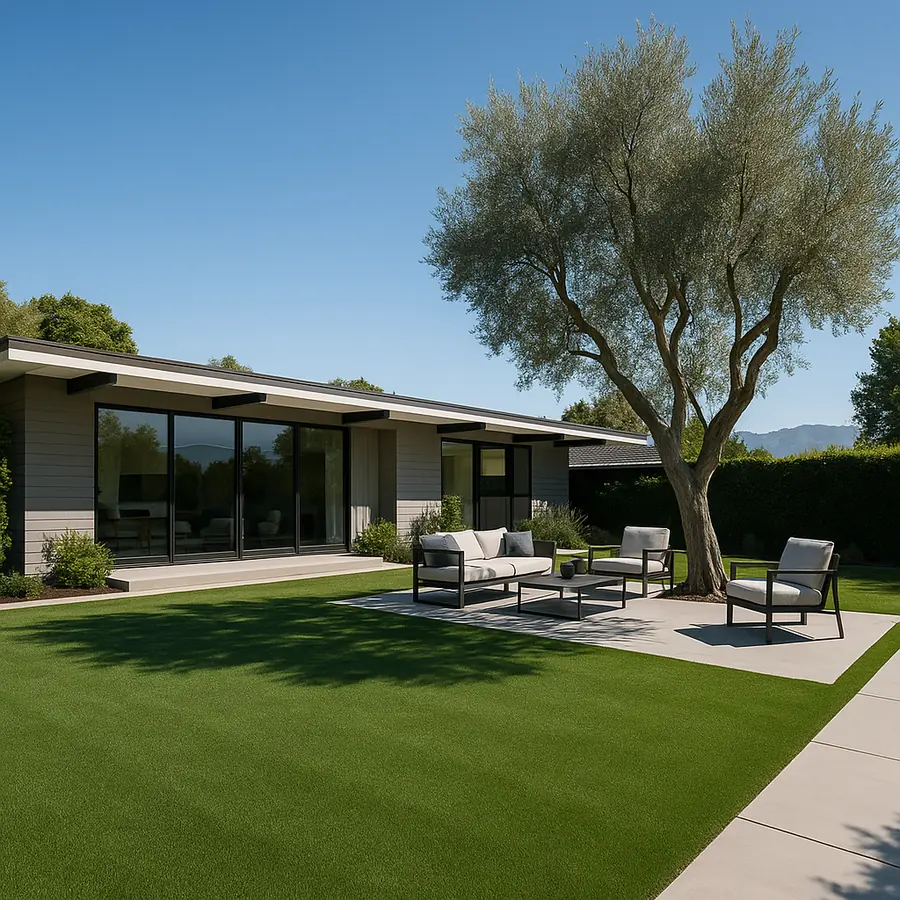
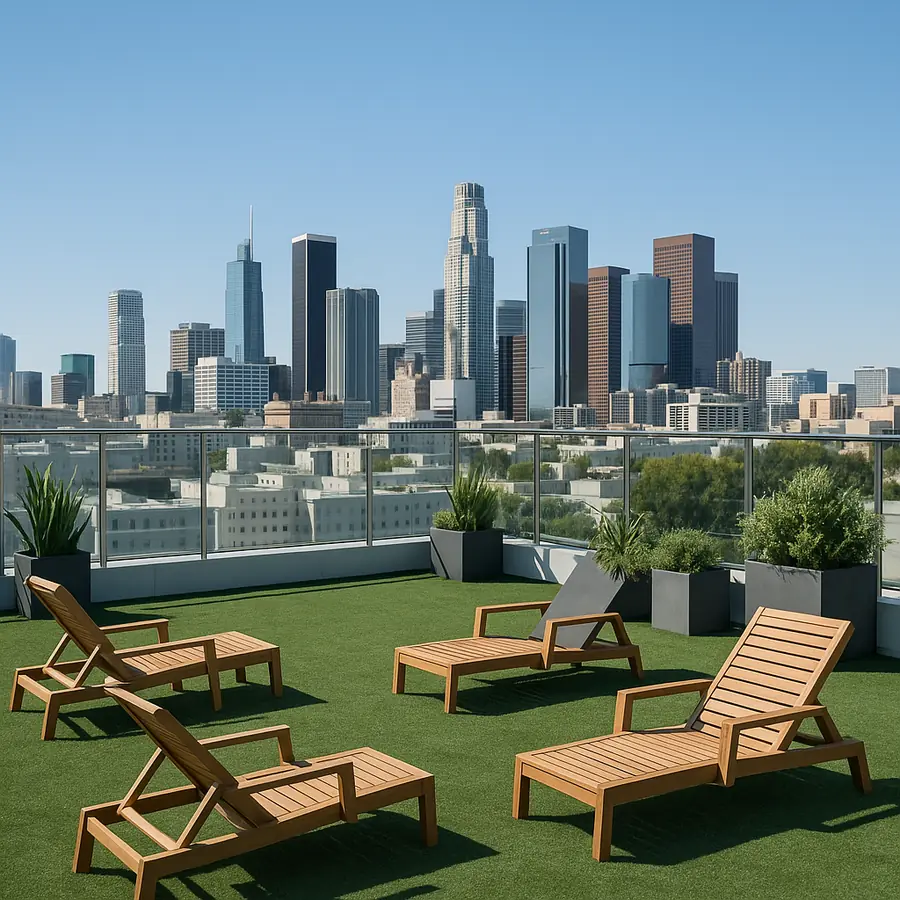
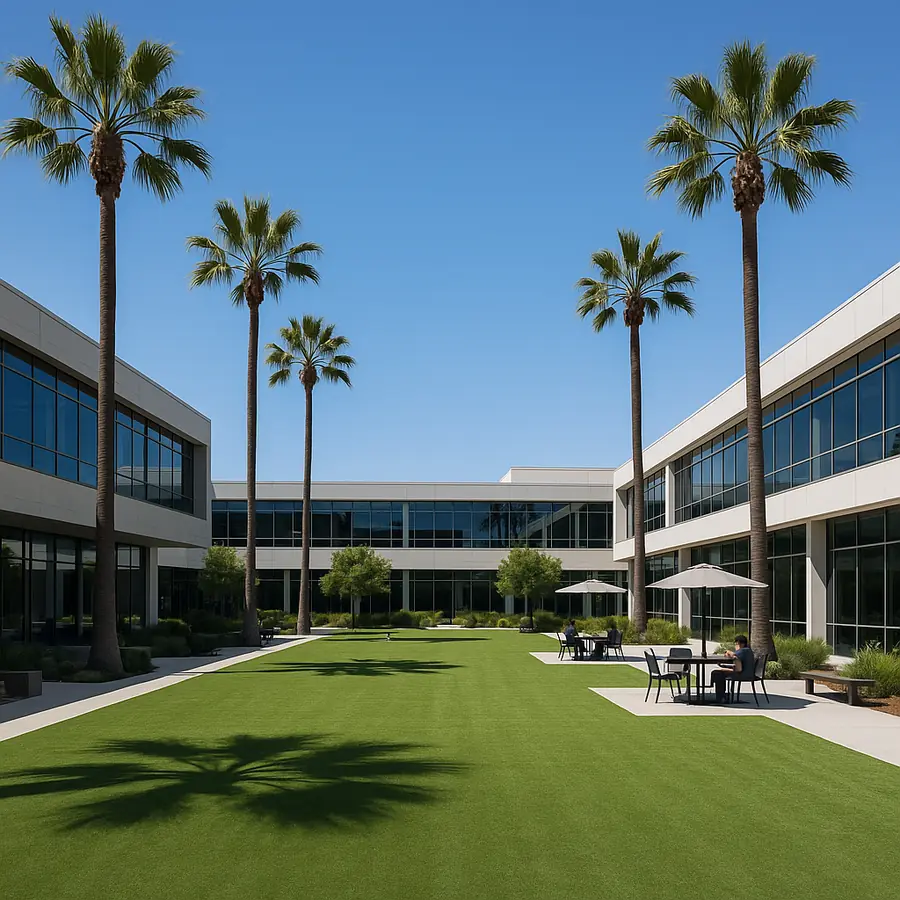
Artificial grass makes the most sense where a natural lawn struggles or isn't worth the upkeep: hot inland yards in the San Fernando Valley, shady Westside lots, dog runs, slopes, rooftops and high-traffic play areas. It stays green all year, needs no mowing or fertilizer, and turns off the biggest water user on most residential properties: the lawn sprinklers.
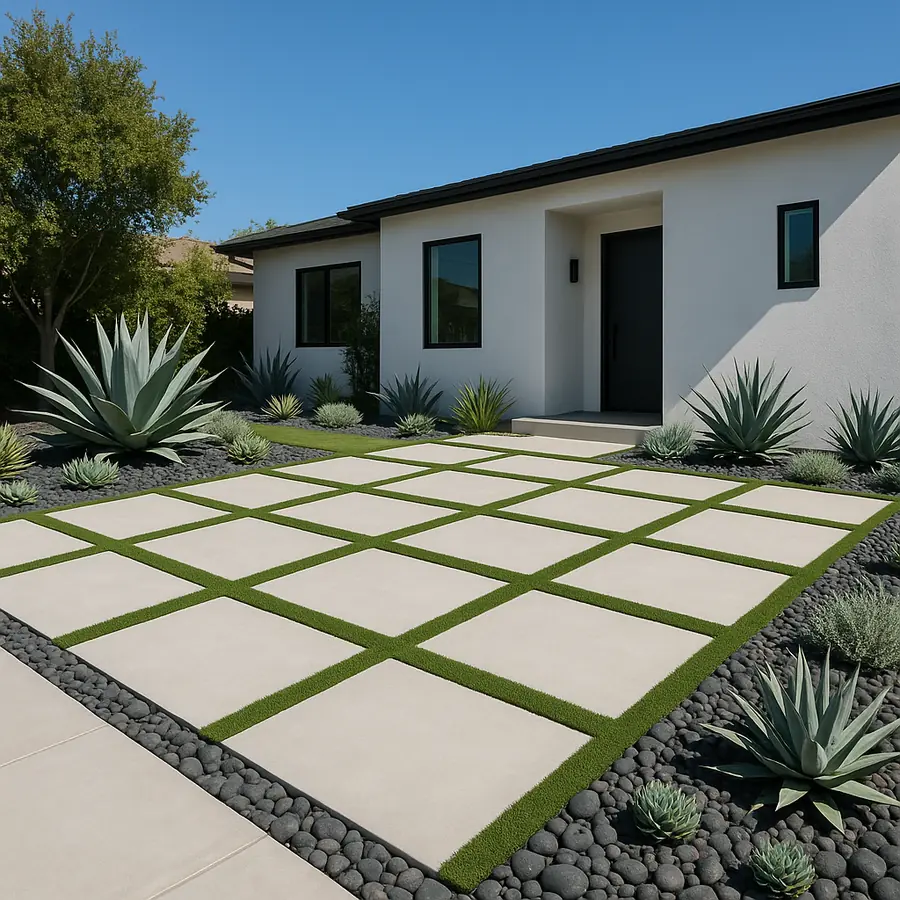
It isn't the right choice for everyone. Turf gets warmer than living grass in direct sun, it doesn't provide habitat for pollinators the way native plants do, and it isn't eligible for most local lawn-replacement rebates (more on that below). Many of our clients combine a smaller turf area for kids and pets with drought-tolerant planting and pavers or gravel for the rest of the yard.
What Affects the Cost of Artificial Grass
Every yard is priced individually, and the price depends on more than square footage. These are the factors that move a quote up or down:
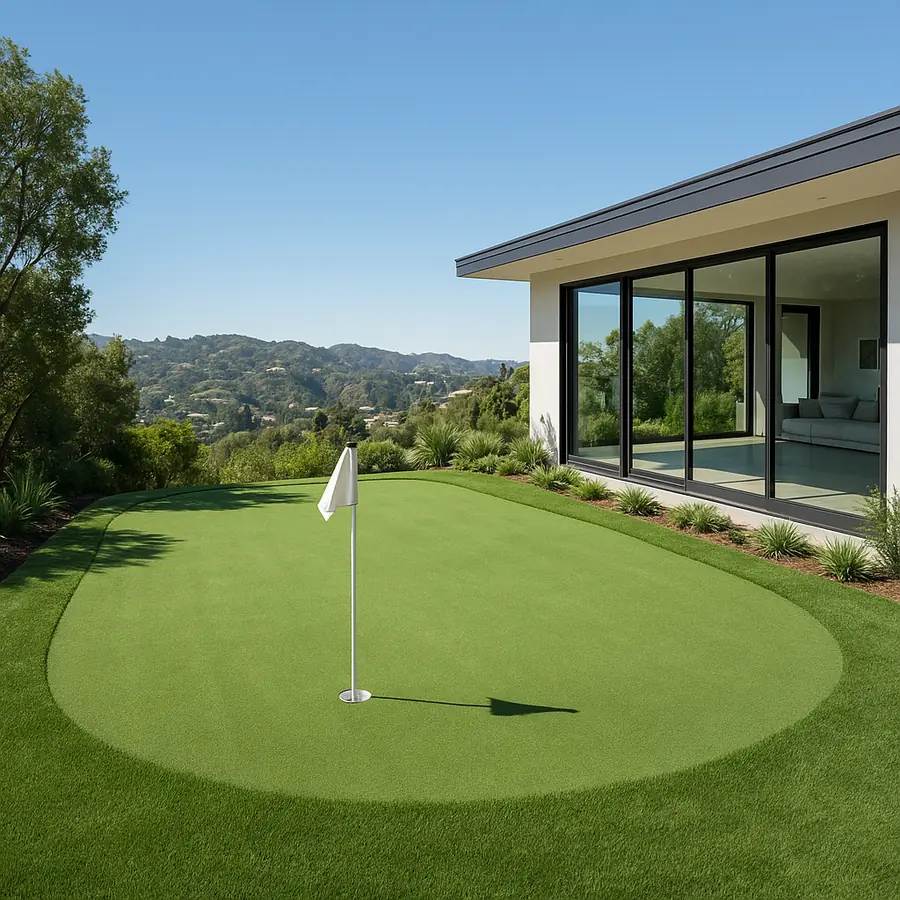
Size and shape. Larger areas cost less per square foot; curves, planters and many cuts add labor. Removal and base prep. Taking out the old lawn, hauling soil and building a compacted, sloped base is a big part of the job, and it's what keeps turf flat for years. Turf quality. Pile height, blade shape, density and backing all affect price and feel. Infill. Pet-specific and cooling infills cost more than basic sand. Access. Narrow side yards, stairs and hillside lots take longer to work. Extras. Putting greens, pavers, borders and drainage upgrades.
A good quote itemizes the job so you can compare installers line by line. Ask for these lines in every quote:
- Removal and disposal of existing grass and soil (square feet and depth)
- Base materials and depth: weed barrier, crushed rock, compaction
- Turf product name, pile height, face weight and backing type
- Infill type and amount (standard, pet or cooling)
- Edging, borders, seams and any drainage or irrigation changes
- Product and workmanship warranty terms, in writing
For typical Los Angeles prices per square foot, what's included at each level and how turf compares with a natural lawn over time, see our artificial grass cost page.
A detailed, itemized quote is the only way to compare installers fairly. We provide one free after measuring your yard in person. Request a free quote.
How Much Water Does Artificial Grass Save?
Lawns are thirsty. EPA WaterSense notes that outdoor landscape watering can make up anywhere from 30 to 70 percent or more of a home's water use, depending on location, and Southern California is at the high end. Replacing irrigated grass with turf removes that lawn irrigation entirely; you'll only use water for an occasional rinse, mostly in pet areas.
If saving water is your main goal, California's Save Our Water program and the Department of Water Resources conservation tips are good starting points for the rest of your property.
Do LADWP and Other Rebates Cover Artificial Turf?
Usually not, and it's better to know before you plan around one. Most Southern California lawn-replacement rebates require living, climate-appropriate plants and exclude synthetic turf. LADWP stopped providing rebates for synthetic turf, the LA County Waterworks grass replacement program lists artificial turf as ineligible, and regional programs offered through SoCal Water$mart (see Burbank Water and Power's rules, for example) exclude it too.
Rules change, so check your own water provider's current terms. If a rebate matters to you, ask us about combining a smaller turf area with rebate-eligible planting elsewhere in the yard.
Can My HOA Stop Me from Installing Artificial Grass?
Generally not. Since a 2015 amendment (AB 349), California Civil Code section 4735 makes HOA rules that prohibit artificial turf void and unenforceable. HOAs can still set reasonable design and quality standards, such as approved colors, pile heights or where turf may go, and they can require you to submit plans for architectural review first.
Before you schedule an install, ask your HOA for its current landscape guidelines and approval process. We can provide product specifications and samples for your application. In Calabasas, the Palos Verdes Peninsula and other communities with active design review, this step is common.
Choosing the Right Turf
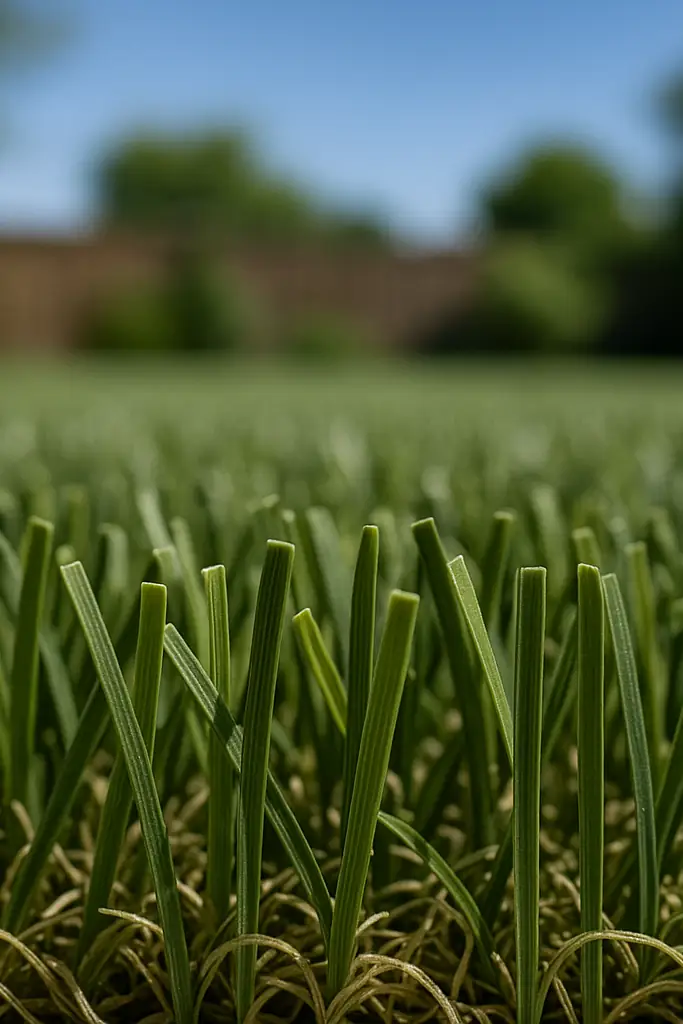
Blade color and shape. Turf with two or three shades of green plus a tan thatch layer looks most natural. Shaped blades (W, C or diamond profiles) stand up better and reflect less glare. Pile height. Around 1.25 to 1.75 inches suits most lawns; shorter, denser turf is better for heavy traffic and pets, and very short turf is used for putting greens. Backing. A permeable or fully perforated backing drains rain and rinse water, which matters most in pet areas. Infill. Infill keeps blades upright and protects the backing; antimicrobial and cooling infills are available.
The best way to choose is to see and feel samples in your own yard's light, which is part of every free on-site quote.
Artificial Grass for Dogs
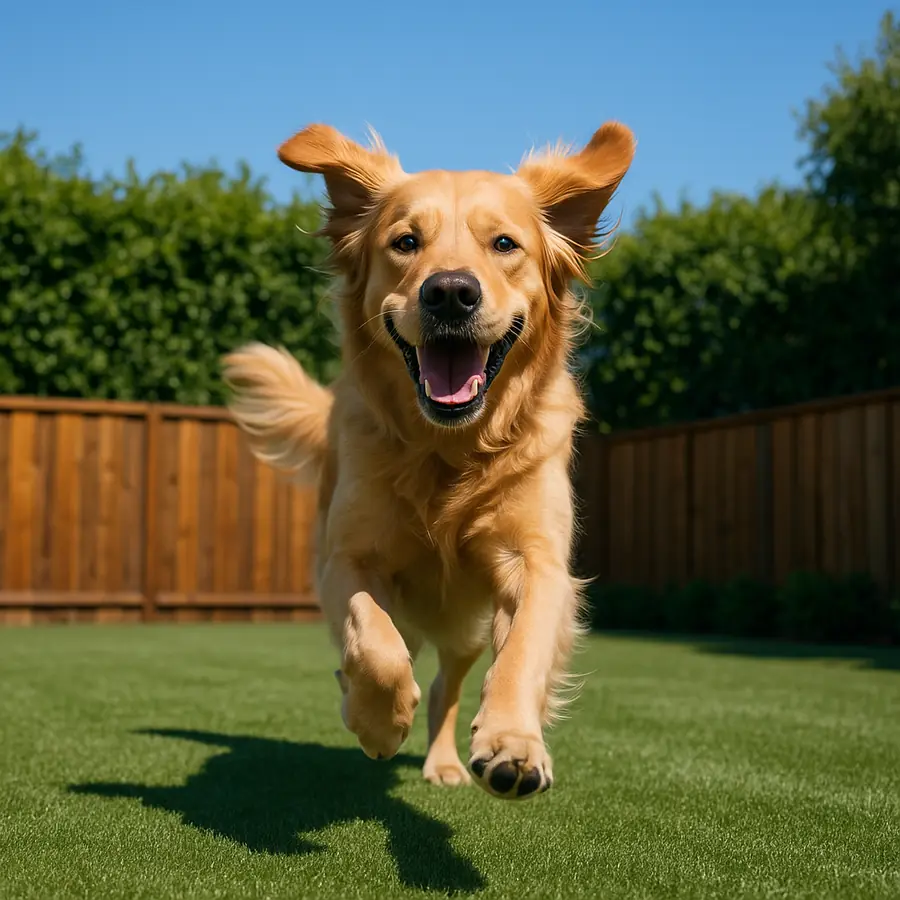
Turf is a popular fix for dog owners: no mud, no dug-up lawn and no yellow urine spots. What makes pet turf work is drainage and cleaning. Look for a fully permeable backing, a free-draining base and an odor-neutralizing infill, then pick up solids and rinse high-use spots regularly. Read more about our pet turf installations.
Does Artificial Grass Get Hot?
Yes. Like pavers or a deck, synthetic turf warms up in direct summer sun and gets hotter than living grass, especially in hot inland areas like the West Valley and Pasadena. Heat-reflective fibers, lighter infills and some shade from trees or a shade sail help, and a quick spray with a hose cools the surface fast on the hottest afternoons. On rooftops and patios, a turf system with a drainage pad is usually more comfortable than bare concrete.
How Artificial Grass Is Installed
A quality install follows the same steps every time:
- Remove the existing grass and a few inches of soil.
- Cap or reroute irrigation lines and set the edging.
- Lay a weed barrier and a crushed-rock base.
- Grade and compact the base so water drains away from the house.
- Roll out the turf with all blades running the same direction and join the seams.
- Secure the edges, add infill and power-brush the blades upright.
Most residential lawns take one to three days; commercial projects are often phased. Skipping base prep is the most common reason turf ripples, puddles or sinks after a year, so ask every installer exactly what goes under the turf.
Artificial Grass Maintenance and Lifespan
Upkeep is light: blow or rake off leaves, rinse pet areas, and brush high-traffic spots a few times a year to keep blades upright. Quality turf that's installed properly typically lasts 15 years or more in Southern California. UV-stable fibers keep their color; the base underneath is what keeps the surface flat.
How to Choose an Installer
California requires a contractor's license for most landscaping and home improvement work. Ask for the license number and check that it's active using the CSLB license lookup. Then compare installers on the details: base depth and materials, the exact turf and infill products, how seams and edges are secured, product and workmanship warranties in writing, and who does the work (their own crew or subcontractors). The Synthetic Turf Council is the industry's trade association if you want to read more about products and standards.
We're happy to walk you through all of it at a free on-site quote, wherever you are in Los Angeles County.
Outside links open in a new tab; we review them regularly.